Uncategorized
Marvel Joins National Bullying Prevention Month With Gamora, Rocket Raccoon, The Hulk and More

This October Marvel is joining STOMP Out Bullying with a number of variant covers for their titles Rocket Raccoon #4, Guardians of the Galaxy #20, Avengers #36,Inhuman #7, Hulk #7, Captain America #25, Legendary Star-Lord #4. This is all to support National Bullying Prevention Month, something that has been on everyone’s mind even more after the awful events of last week.
Ross Ellis, founder and Chief Executive Officer of STOMP Out Bullying stated, “We are privileged to join forces with Marvel Entertainment on this critically important bullying and cyberbullying prevention campaign. Bullying and cyberbullying have reached epidemic proportions, with one out of every four kids being a victim. And bullying transcends race, ethnicity, gender, and sexual orientation; in fact, some of Marvel’s greatest Super Heroes were themselves bullied as kids and teens. But just as Spider-Man, Captain America, and Marvel’s many other Super Heroes were able to triumph and go on to combat evil, so can every…
View original post 135 more words
One Reason Why We Burn Out
Another Thousand Views, in Record Time!
A giant THANK YOU to our readers, for another 1000 hits in just over three months! Don’t forget to follow us (click the ‘follow’ button on the right) for the latest updates 🙂
Sphero: The Snap-Together Electronics Kit
The interesting thing about Sphero is that the parts snap together. No soldering, screwing, etc. For kids on the spectrum who have problems with fine muscle control, this is a major plus.
Find out more at https://sphero.com/
The Ribbed Fabric Shirt: Truly Wrinkle Resistant

Example of a Twill weave, with diagonal ridges. Image by Jauncourt (Own work) [GFDL, CC-BY-SA-3.0, CC-BY-SA-2.5-2.0-1.0], via Wikimedia Commons
Different Types of ASDs: What Do Co-Occurring Conditions Have to do With It?

By Alycia Halladay, PhD
ASF Chief Science Officer
If you missed it, on Tuesday the workgroup on Under-Recognized Co-Occurring Conditions in ASD of the Interagency Autism Coordinating Committee met to discuss the current issues and start to lie out a research agenda. This workshop was aimed to have an honest exchange of views to help direct research – the IACC does not directly fund research itself. It’s a way for researchers and funding agencies to discuss priorities and opportunities. The meeting was webcast live and will be archived on the NIH webpage, when the link is live we’ll post it. In the meantime here is what was discussed.
From the very first set of presentations it was clear that this issue is, like everything else is autism, complicated and messy. Four different presenters using different datasets all showed consistent findings of an increase in neurological (seizure), gastroenterological (GI distress) and…
View original post 543 more words
Nordstrom Guide to Men’s Everyday Dressing

If you’d like other options, here’s a list of 14 Most Popular Books on Men’s Style, Grooming, & Etiquette by Jacob J. Morris, another useful source of advice.
Natalia Berdys: The Web Experience in the Autistic Spectrum
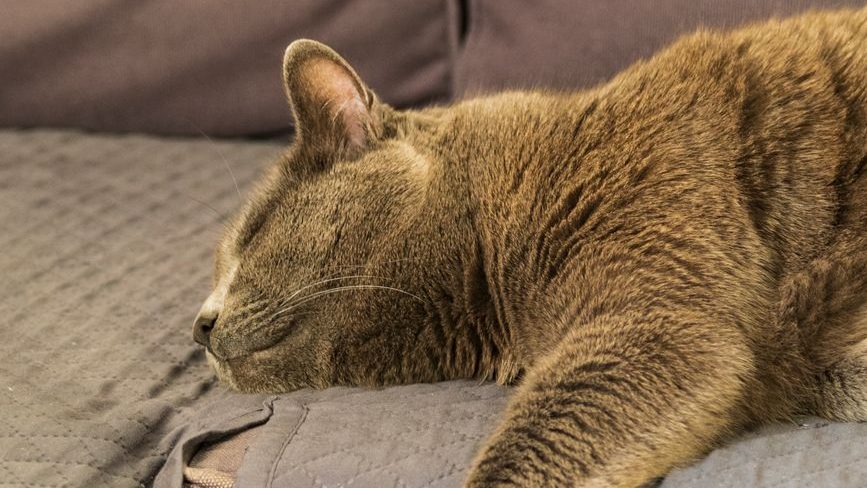
How Long To Nap For The Biggest Brain Benefits .
https://designforasd.com/wp-content/uploads/2026/08/pexels-photo-35589505-edited.jpeg
Photo by Rino Adamo on Pexels.com

Taking a nap, we’ve seen time and again, is like rebooting your brain. Everyone likes to get a quick nap in every now and then, but napping may be as much of an art as it is a science. The Wall Street Journal offers recommendations for planning your perfect nap, including how long to nap and when.

The sleep experts in the article say a 10-to-20-minute power nap gives you the best “bang for your buck,” but depending on what you want the nap to do for you, other durations might be ideal. For a quick boost of alertness, experts say a 10-to-20-minute power nap is adequate for getting back to work in a pinch.
For cognitive memory processing, however, a 60-minute nap may do more good, Dr. Mednick said. Including slow-wave sleep helps with remembering facts, places and faces. The downside: some grogginess upon waking.
“If you take it…
View original post 198 more words